
Guide to sheet metal bending - how it works and how pricing is calculated
Feb 3, 2025
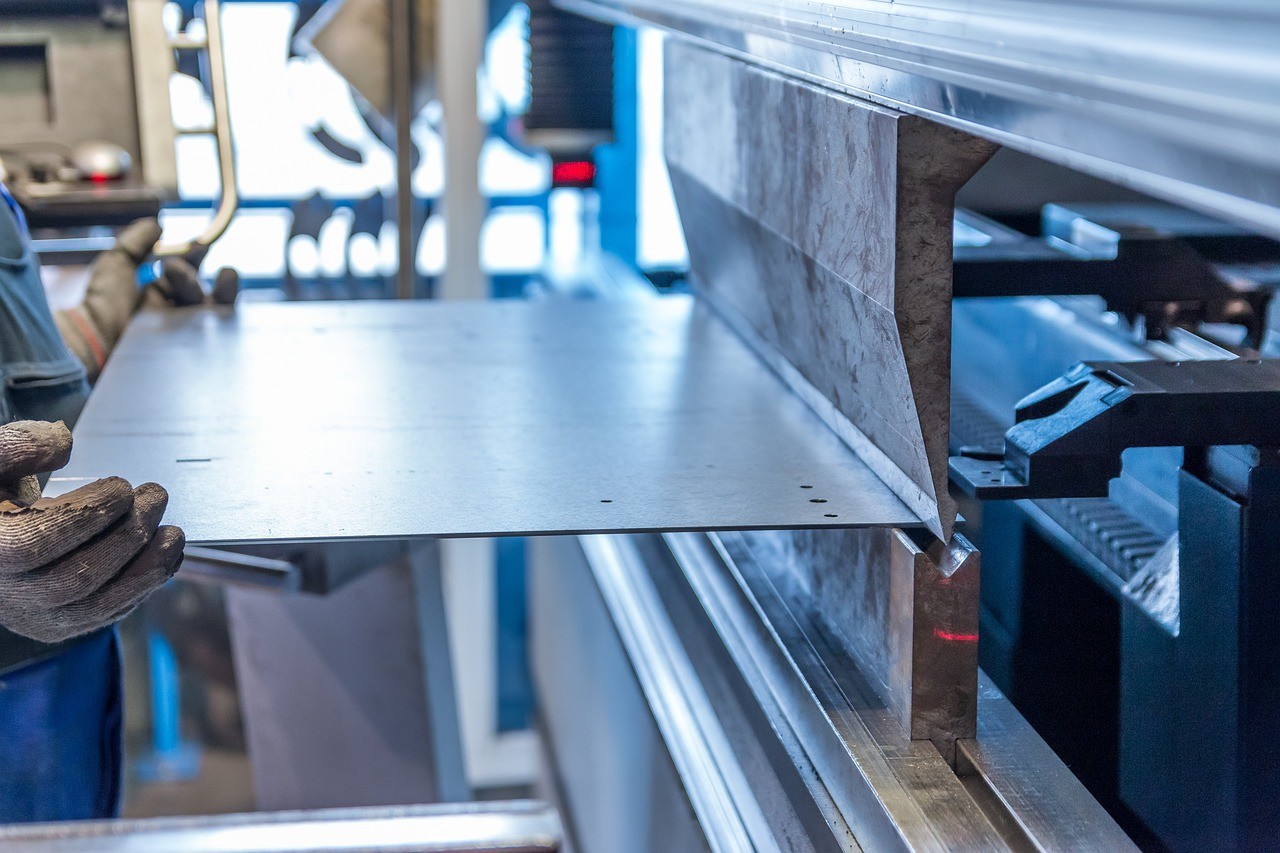
Sheet Metal Bending is one of the most common methods for shaping sheet metal into desired angles and geometries. The technique is used in industrial manufacturing to create components for everything from machine constructions to vehicle parts. But how does sheet metal bending work, and what factors affect the cost? In this guide, we go through the process and how pricing is determined.
What is sheet metal bending?
Sheet metal bending is a manufacturing method where a sheet is pressed between an upper and a lower tool (punch and die) to create a bend at the desired angle. This usually occurs in a brake press or a bending machine that applies a controlled force to the material.
Common methods for sheet metal bending:
Air Bending – The sheet is bent by pressing it against a V-shaped die. Provides flexibility in angles and requires less force.
Bottoming – The sheet is pressed down into the die until it takes the exact shape. Offers high precision but requires more force.
Roll Bending – Used to create curved shapes by passing the sheet between three rollers.
Factors affecting pricing
The price of sheet metal bending depends on several variables:
1. Material type and thickness
Thicker sheets require more force and longer bending time, which increases costs.
The properties of the material (steel, aluminum, stainless steel) affect how easy it is to bend and which machine is needed.
2. Number of bends per detail
Each additional bend adds machine time and setup costs.
Simple angles are cheaper than complex shapes with multiple bends.
3. Tool selection and settings
Special tools may be required for certain bends, increasing the price.
Standard tools are more cost-effective.
4. Lot size and batch size
Larger batches yield a lower unit price since setup time is spread over more units.
Small batches or prototypes have a higher unit cost due to setup time.
5. Tolerance requirements and finishing
Higher tolerance requirements necessitate more precise setup and measurement.
Finishing processes such as grinding, welding, or surface treatment can increase total costs.
How to optimize the cost of sheet metal bending
Design with standard angles to avoid special tools.
Plan for series production instead of single prototypes.
Use optimal materials to minimize force and machine costs.
Integrate bending into the production flow by combining it with other cutting and processing methods.
Conclusion
Sheet metal bending is a cost-effective method for shaping sheet metal, but several factors affect the price, including material, number of bends, and tool selection. By understanding these variables, you can optimize both manufacturing and cost efficiency.