
Guide to laser cutting, water cutting, and plasma cutting – how the techniques work and how the price is calculated
Dec 15, 2024
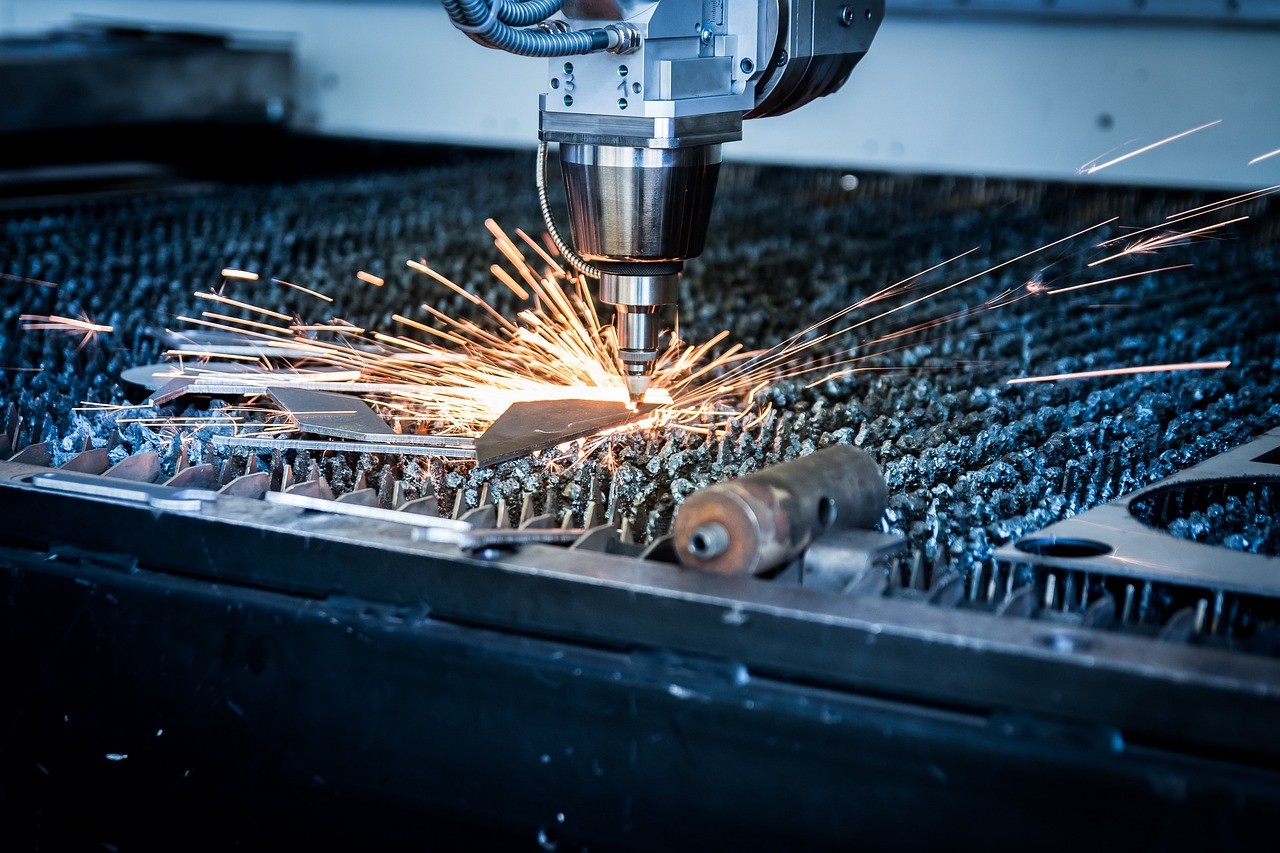
In the manufacturing industry, laser cutting, waterjet cutting, and plasma cutting are three of the most commonly used methods for cutting metal, plastic, and other materials. But how do these techniques work, and how is the cost of cutting components calculated? In this guide, we will go through how the different cutting methods work and which factors affect the price.
What is laser cutting?
Laser cutting is a high-precision method where a powerful laser beam melts or vaporizes the material. It is often used for sheet metal and components with high tolerance.
Advantages of laser cutting:
High precision and fine cuts
Fast cutting of thinner materials
Well-suited for complex geometries
How is the price of laser cutting calculated?
The price of laser cutting depends on:
Material type and thickness – Thicker materials require more energy and longer cutting time.
Cut length and complexity – The more and longer the cut paths, the higher the cost.
Machine time – Time consumption is affected by cutting speed and settings.
Post-processing – The need for deburring or surface treatment can increase the cost.
What is waterjet cutting?
Waterjet cutting uses a high-pressure jet of water, often with abrasive material (sand), to cut through metal, stone, plastic, and composites.
Advantages of waterjet cutting:
Can cut almost any material, including heat-sensitive substances
No thermal effect (no burned edges or deformations)
Very good precision, even in thick materials
How is the price of waterjet cutting calculated?
The price of waterjet cutting depends on:
Material hardness and thickness – The harder and thicker the material, the longer the cutting time.
Pressure and abrasive – Higher pressure and more abrasives lead to increased operating costs.
Cut length and detail complexity – Complicated shapes take longer and increase the cost.
Post-processing – The need for deburring or surface treatment can increase the cost.
What is plasma cutting?
Plasma cutting uses an electric arc to create a hot plasma that cuts through conductive materials like steel, aluminum, and copper.
Advantages of plasma cutting:
Fast and cost-effective for thicker metals
Low machine investment compared to laser
Suitable for rough and robust cuts
How is the price of plasma cutting calculated?
The price of plasma cutting depends on:
Material type and thickness – Thicker metals require more power and gas.
Energy consumption and consumables – Electrodes and nozzles wear out and need to be replaced regularly.
Cut length and cutting speed – The longer and more detailed the cuts, the higher the cost.
Post-processing – Plasma cutting may require more grinding and deburring than other methods.
Which cutting method should you choose?
Laser cutting is best for thin materials and components with high precision.
Waterjet cutting is suitable for thicker materials and heat-sensitive substances.
Plasma cutting is ideal for rough and fast cuts in metal.
Conclusion
Choosing the right cutting method depends on material, precision, and cost factors. By understanding how laser cutting, waterjet cutting, and plasma cutting work and how the price is calculated, you can make more cost-effective choices in your production.